Over summer I did some research for my project. During term time last year I could only research online, so I wanted to use my time visiting Liverpool over summer to undertake some more traditional research and gather material I might use for my project over this following year.
Digitising The Dockers Charter at Mayday Rooms
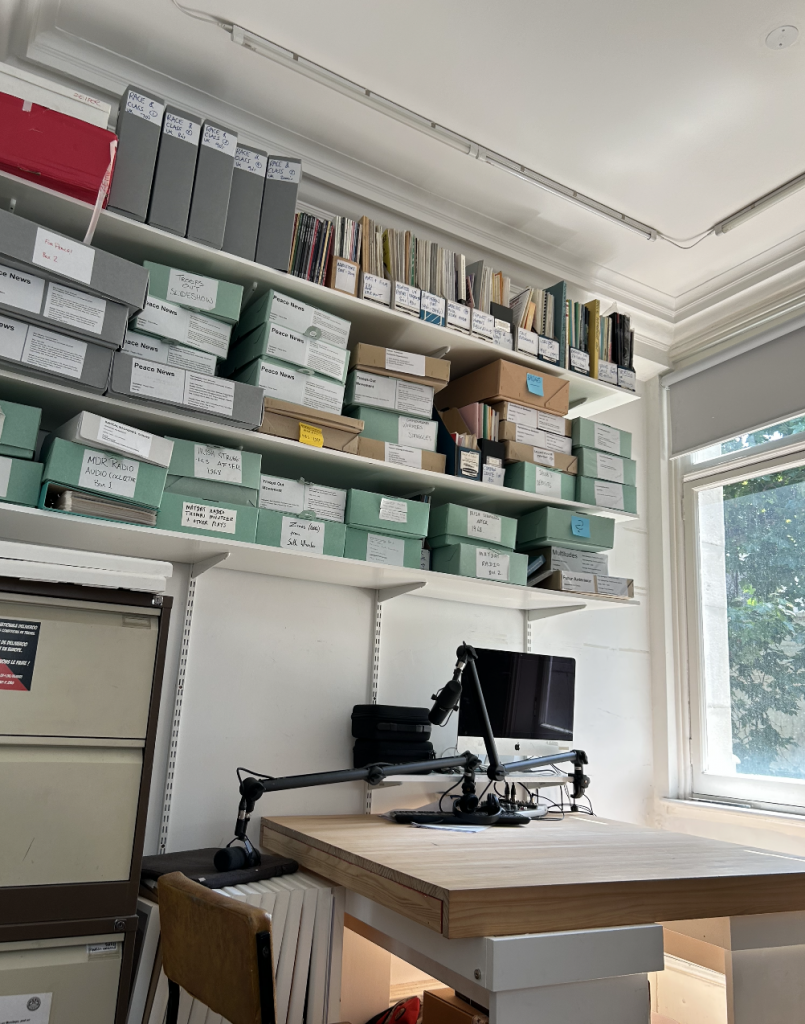
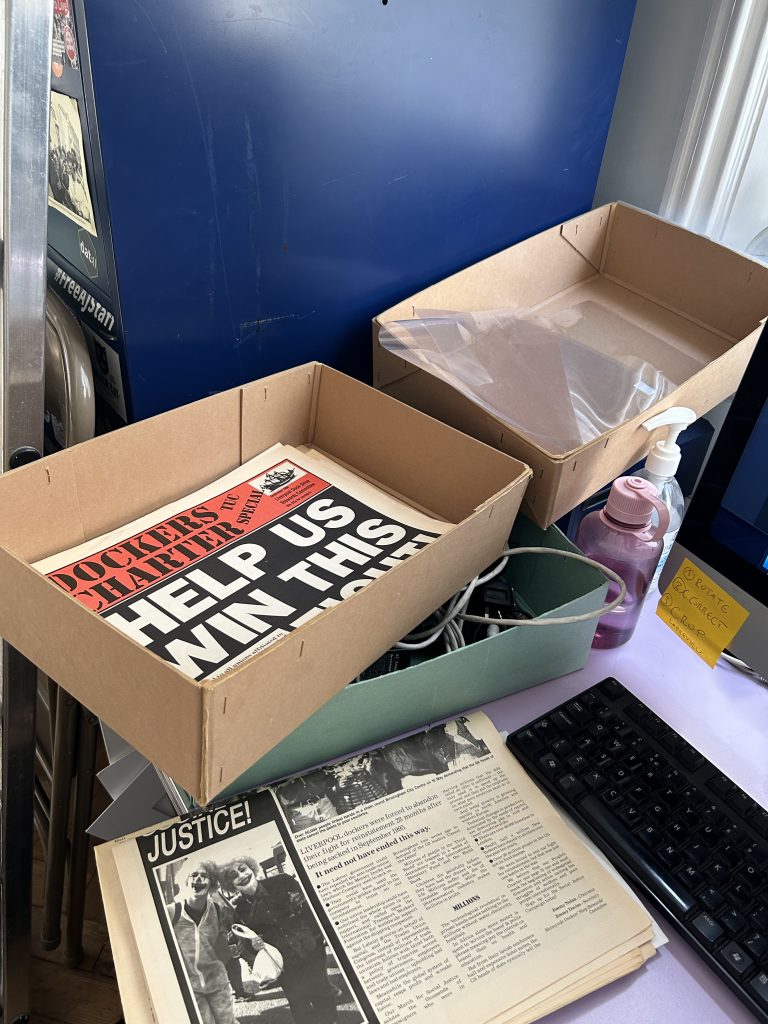
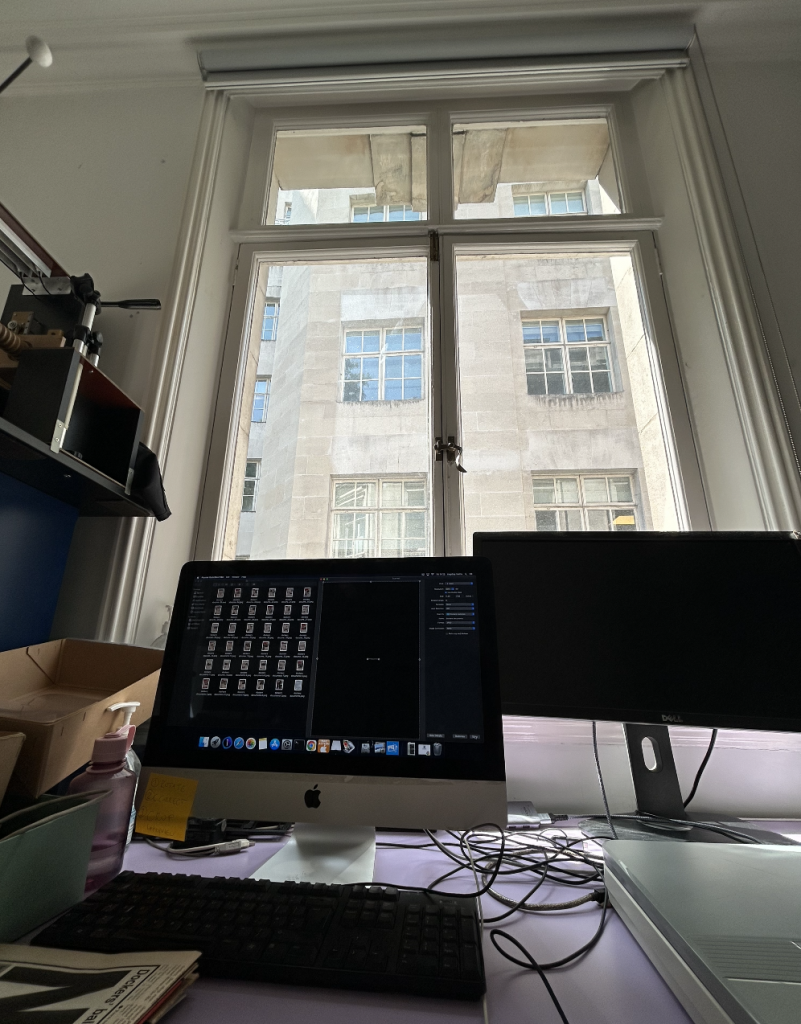
At the end of the last term, I discovered that Liverpool dockers produced their own newspaper during the strike of 1995-1998 called The Docker’s Charter. On a visit to Mayday Rooms, I found that they had a collection of the newspapers in their archive. I decided I would scan them and digitise them over summer. While doing this I found out that Notes from Below, a socialist journal, were also looking at The Docker’s Charter for a book they are writing. We made contact and I agreed to share my digitised copies with them and they shared their draft publication with me, which has also been very insightful in learning about the dispute.
The publication features updates about the strike and think pieces from dockers, family members and other activists. The design is playful, with unusual graphics and layouts. Often there are calls to action and the visuals include scrolls and banner-like designs.
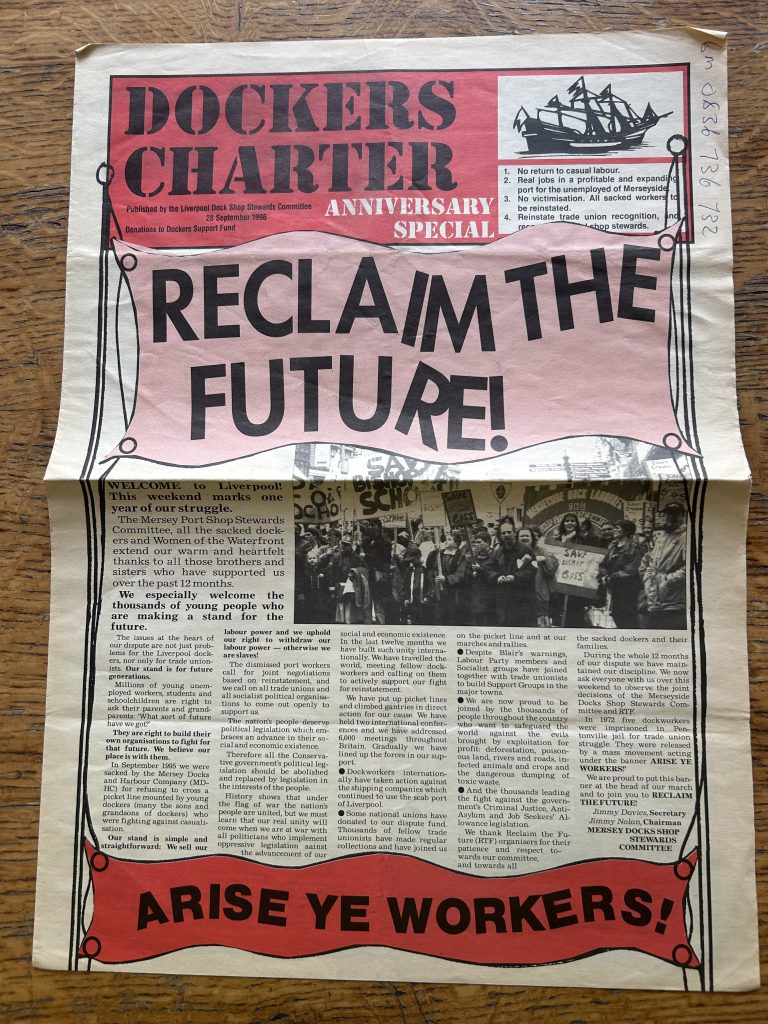
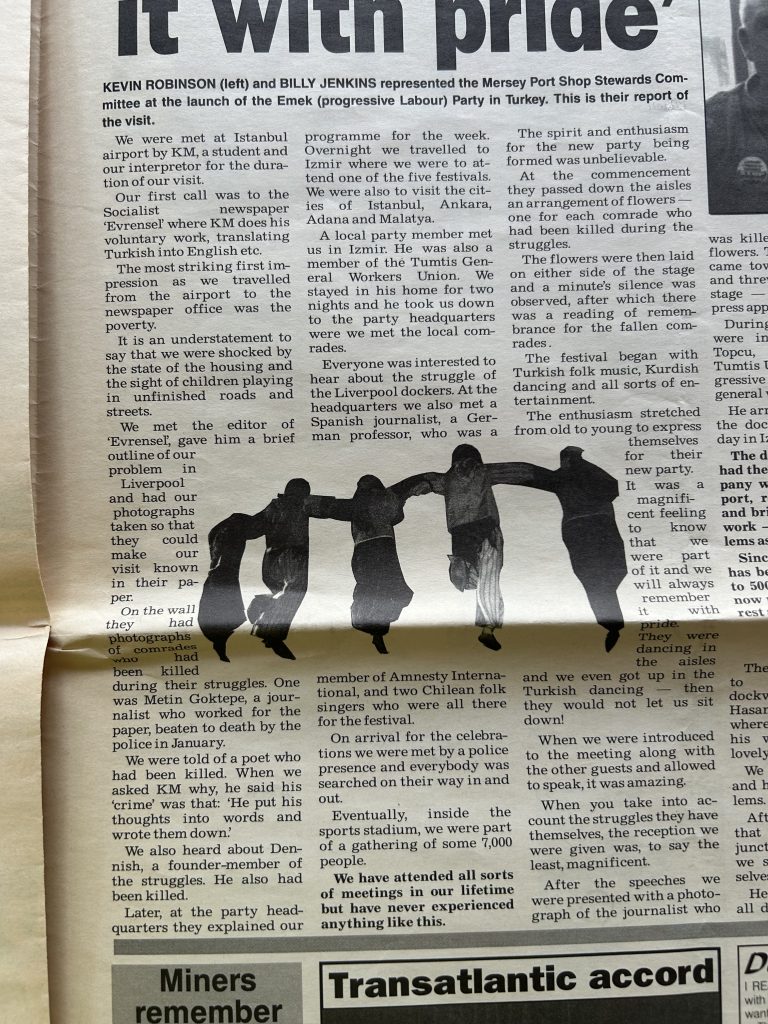
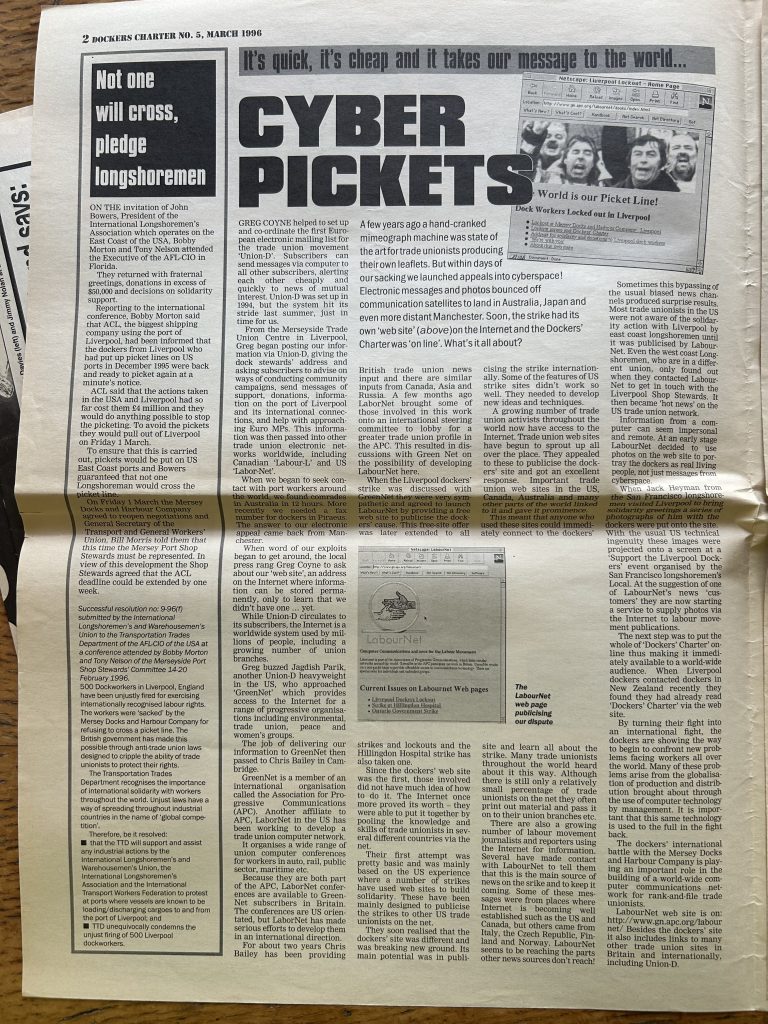
I have tried to research who worked on the design for this. Copies say it was written by the shop stewards/union reps who worked on the docks and printed in a trade union print shop in Newcastle, neither of which exist anymore. Tony, the docker I interviewed, said it was designed by a woman called Dot Gibson who is now in her 90s. I’d like to speak to her but not sure how I would find her.
Interviews
I went back to Liverpool for a couple of weeks over summer to see family, friends and to do some research for my project. During this time I interviewed three people for my project:
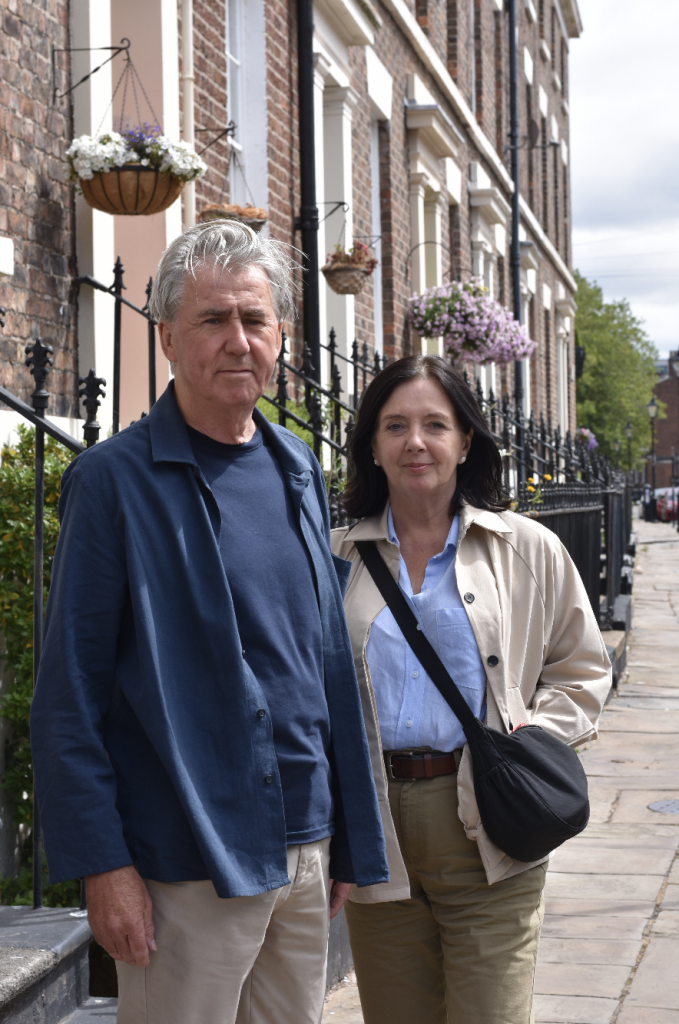
Moira and John (left) – Two artists who set up The Dockers club, the Facebook group which I had used in my unit 2 work as a resource for first hand accounts and information about docker’s history and the docker’s strike. I spoke with them about their personal connection to the docks, how the Facebook group came about and it’s function to the community of ex-dockers and it’s potential to preserve history.
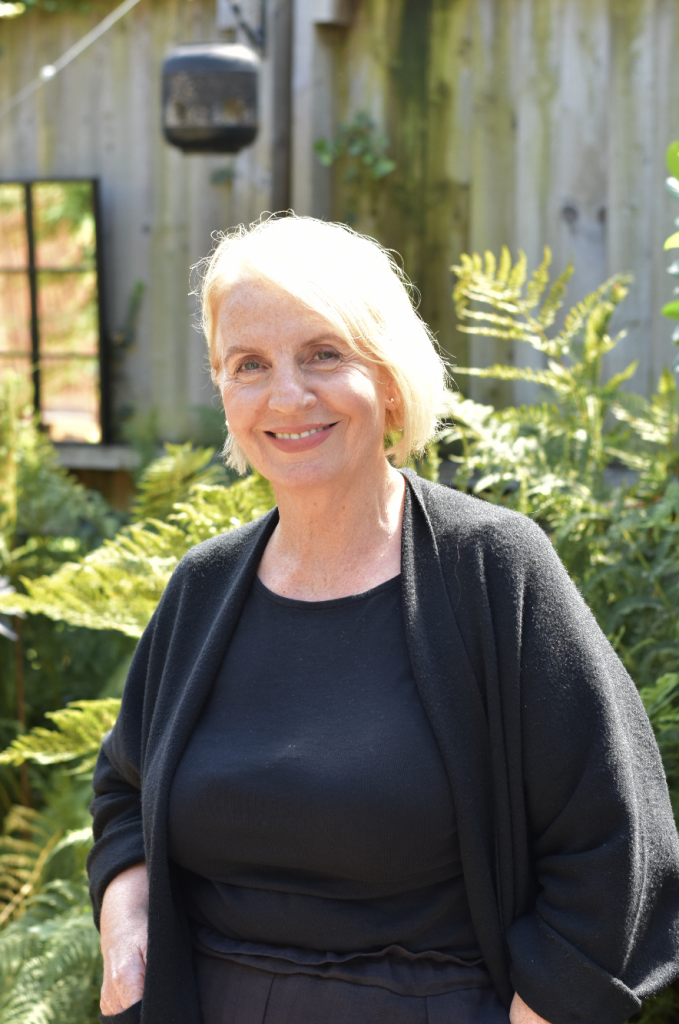
Sue (middle) – I spoke to Sue about her memories growing up as the daughter of a docker in the north of the city. She shared her father’s experiences culturally and socially working as a docker. Sue had a lot of knowledge about working conditions and how identity such as religion, age and background would effect an individual’s ability to get work.
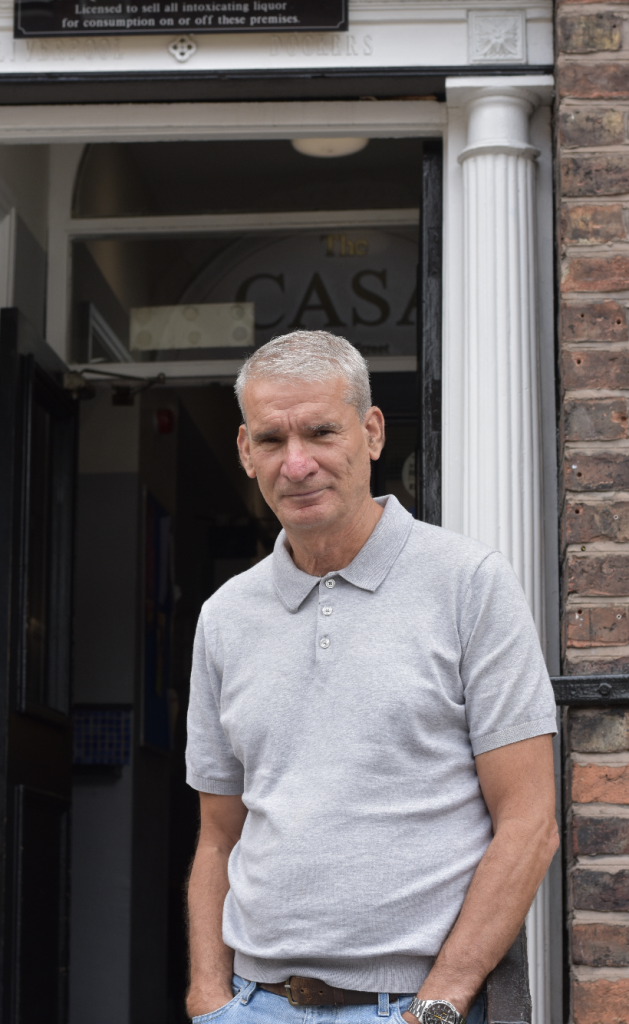
Tony (right) – Tony is a former docker who lost his job during the strike of 1995-1998, which I have been exploring in my work. After losing his job, Tony set up The Casa, which is a pub/community centre and organising space where those dealing with labour disputes can access advice and support. I interviewed him about his time working as a docker and his experience of the dispute and how it changed his life. It was a really fascinating conversation for me and it was really amazing to hear first hand accounts of his experience.
I am still transcribing my interviews (there are about 5 hours of recordings). They were great insight in to the subject matter I’ve been exploring and I’m hoping I can use them as part of the visual work I make over the next year.
The dock road
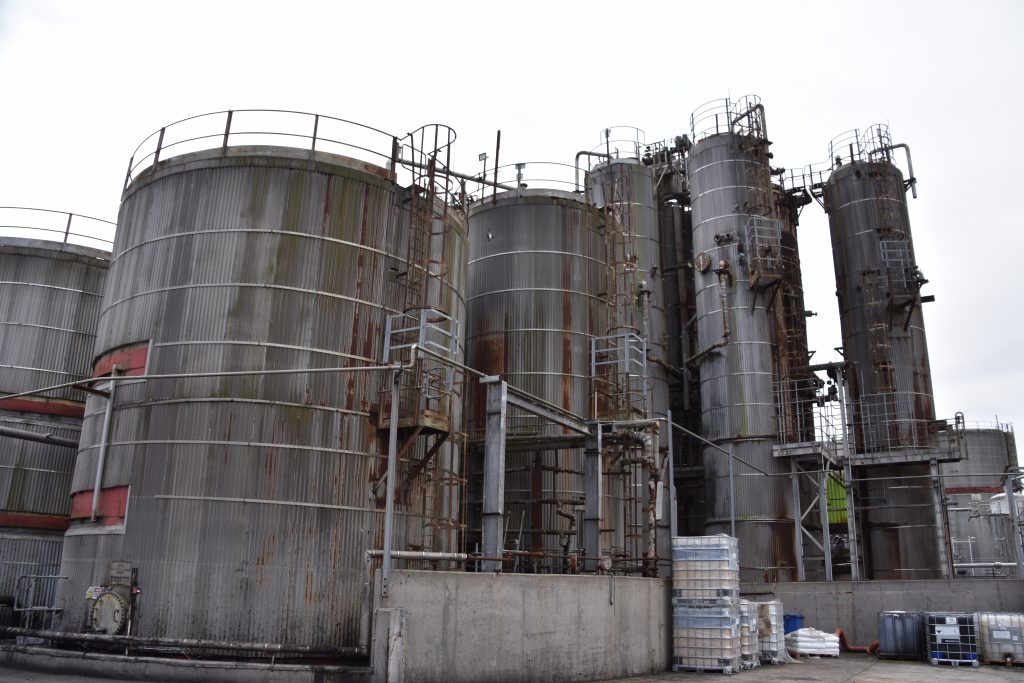
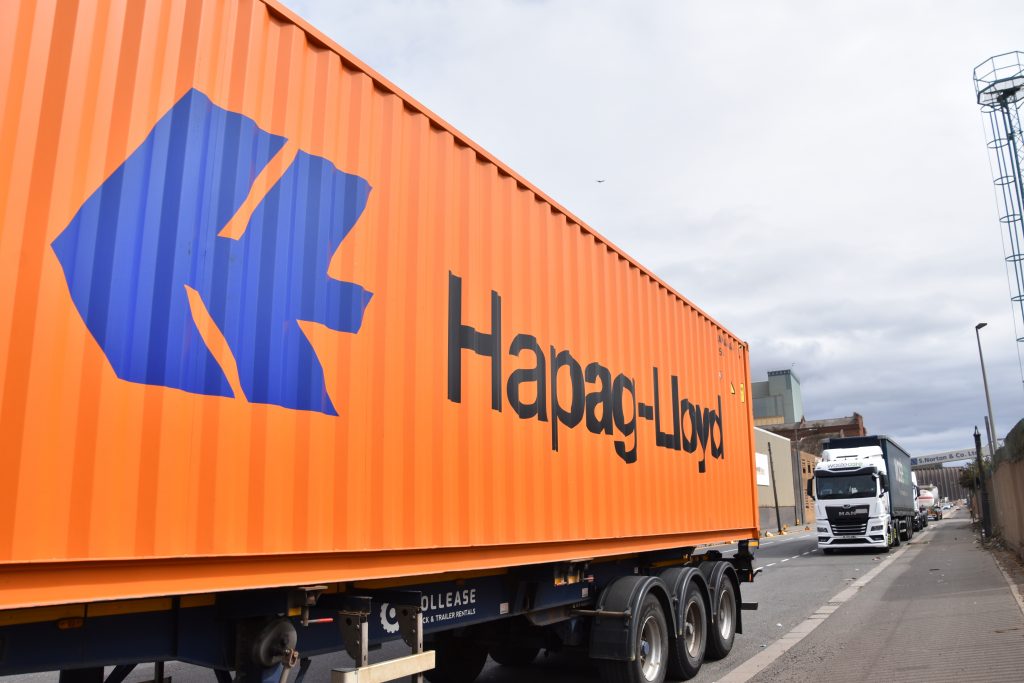
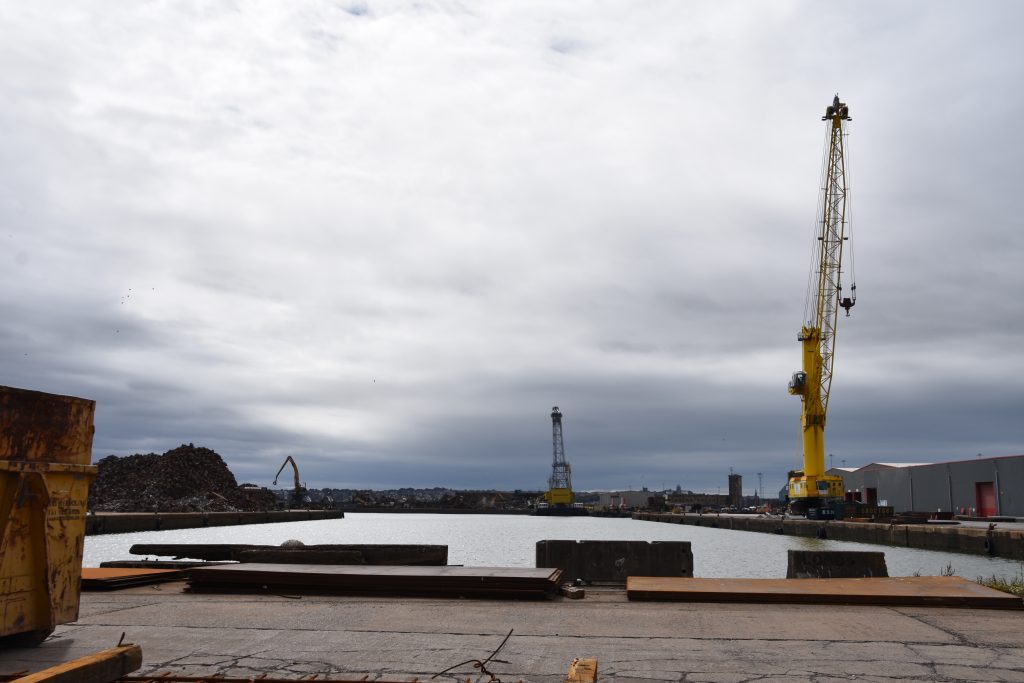
Something I wanted to do since I started unit 2 was to visit the dock road in Liverpool. This is a stretch of road that runs along all of the docks throughout the city and it’s always been an interesting place for me since I was a small child due to the strange architecture and desolate vibe.
I walked about half of it, taking photos of buildings and spaces that caught my eye. It’s not a nice place to walk as there’s so much dust in the air and the people working there, including the port police, are a bit suspicious of strangers with cameras.


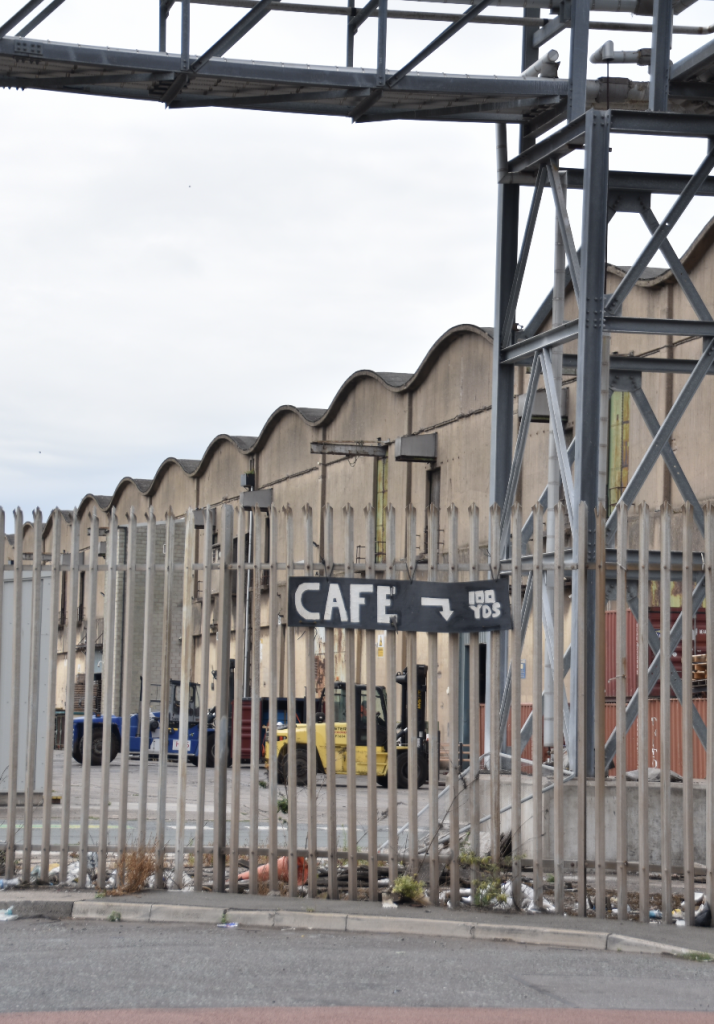
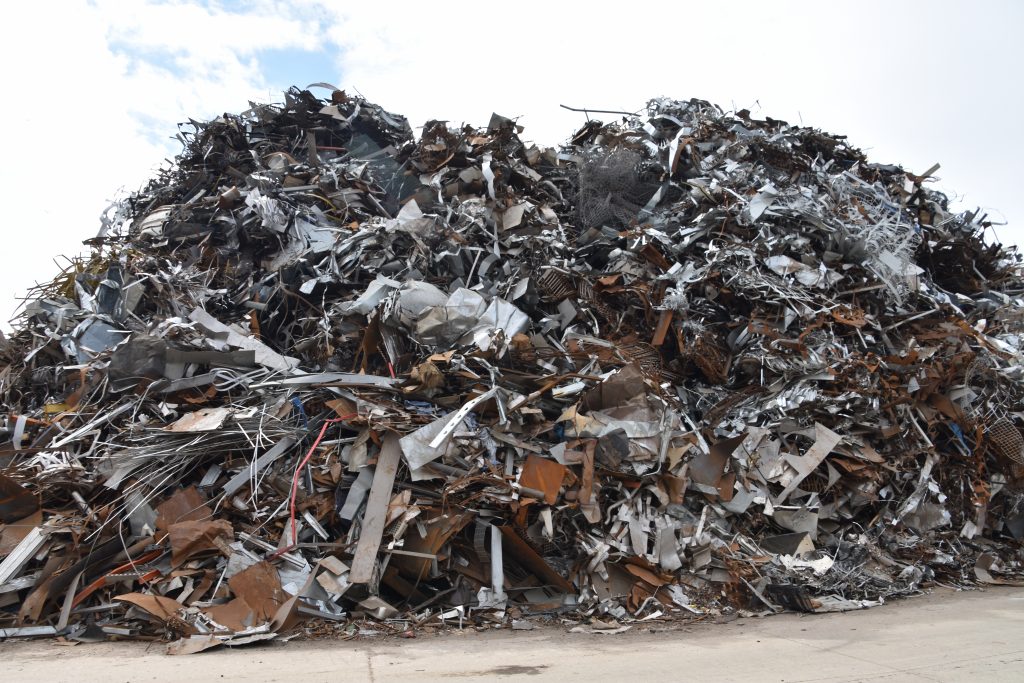
Despite this, I find it to be a really interesting space with unusual structures, giant piles of scrap metal and small cafes with fading signage.
Liverpool Central Library Docker’s archive
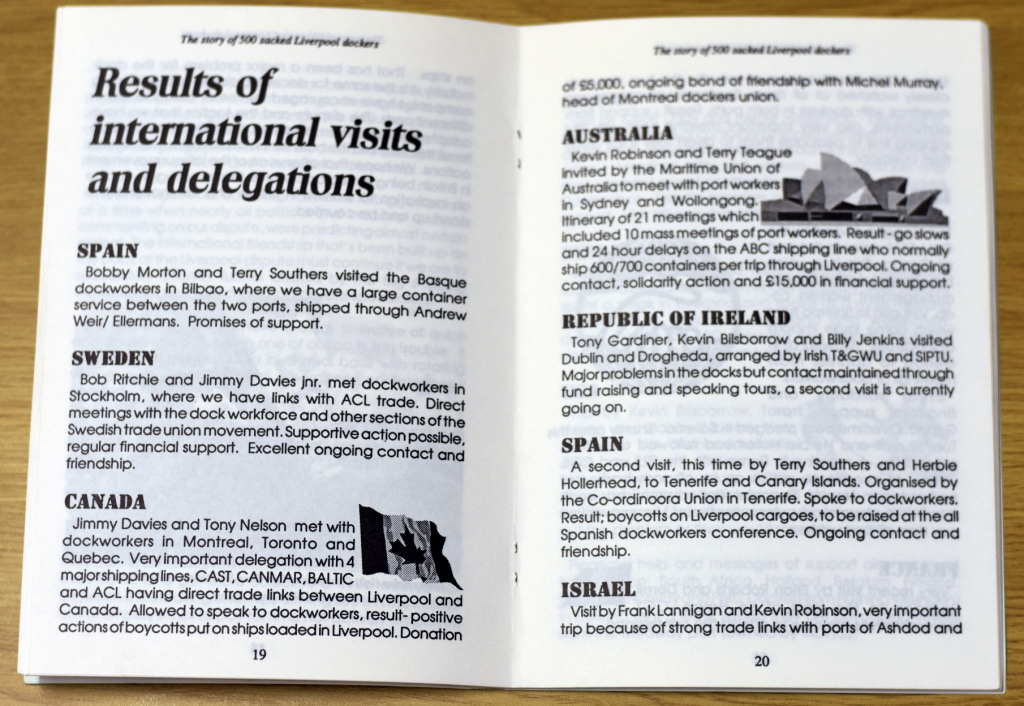
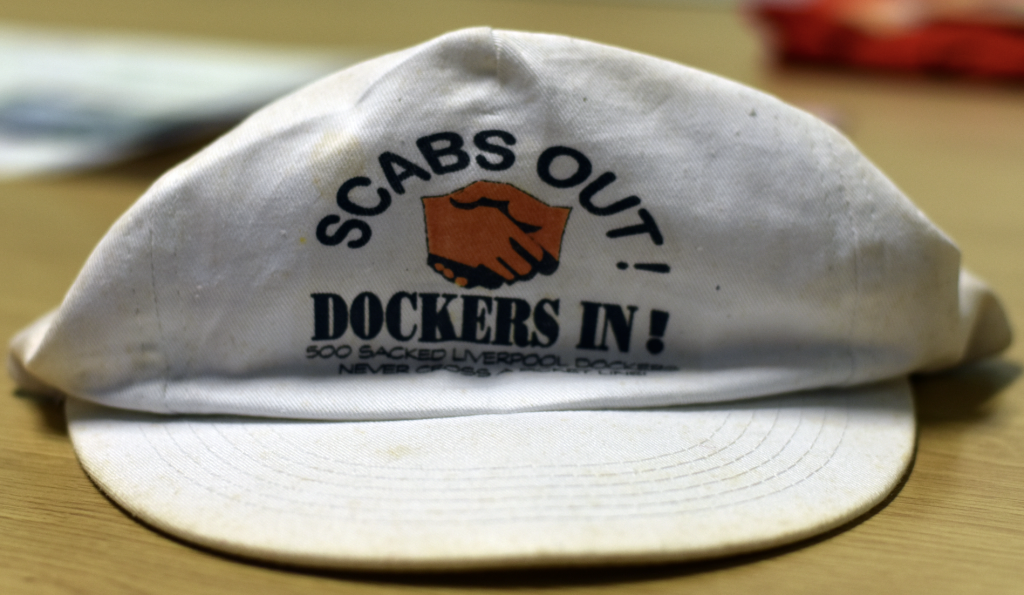
In doing my interviews, when speaking to Moira and John, they told me they had gathered physical objects and printed media from people in the facebook group for an exhibition last year. Lots of these items now make up an archive at the central library.
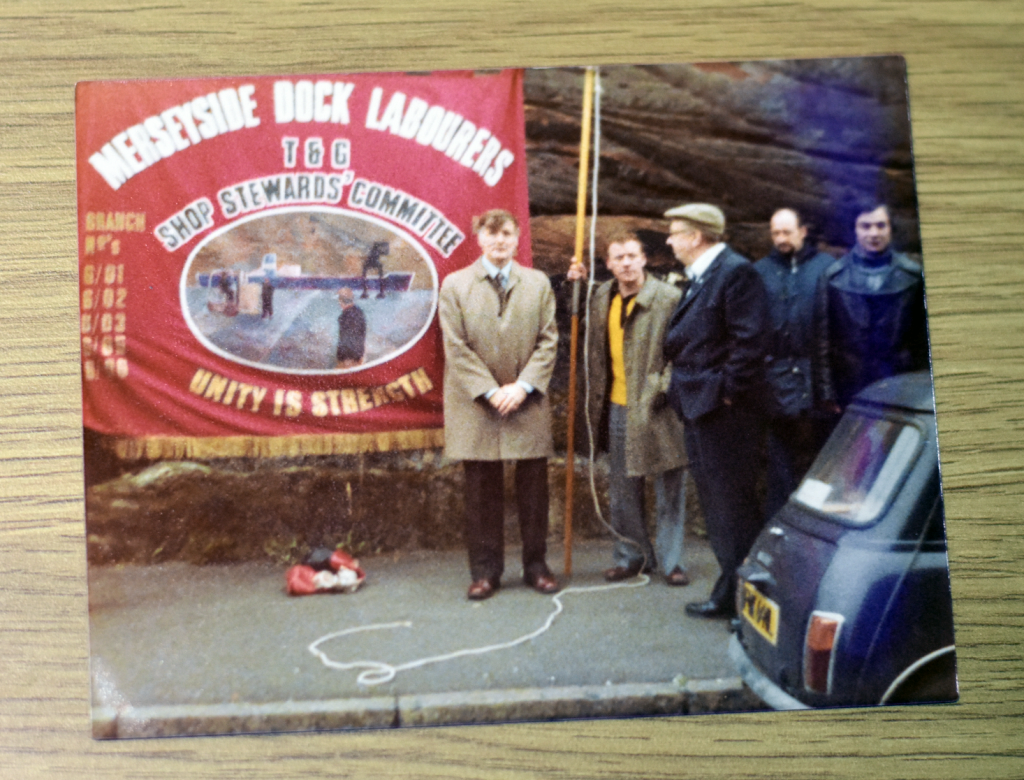
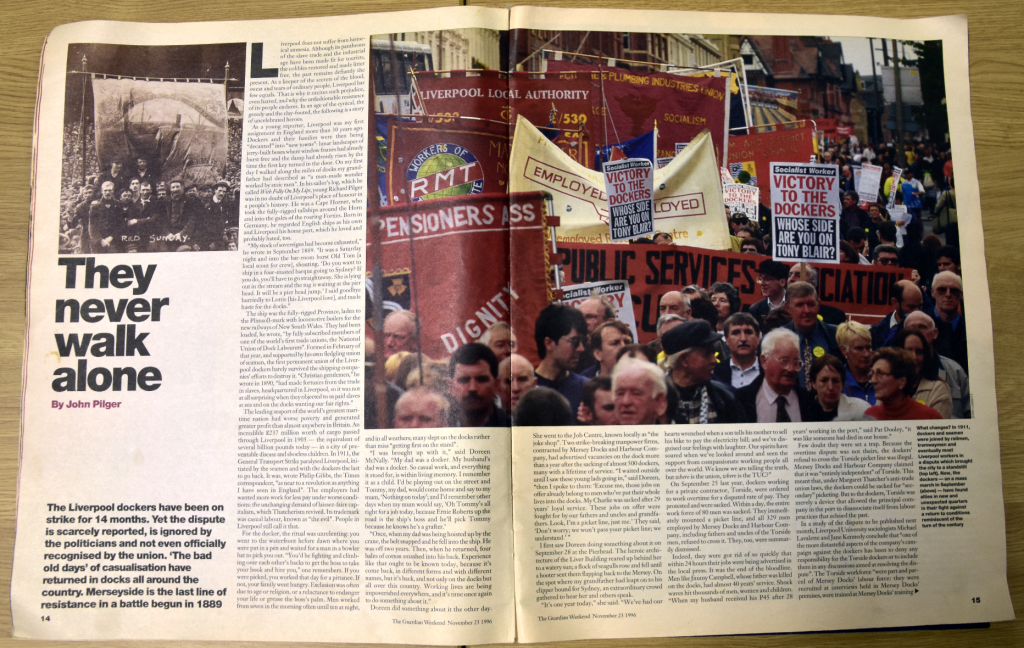
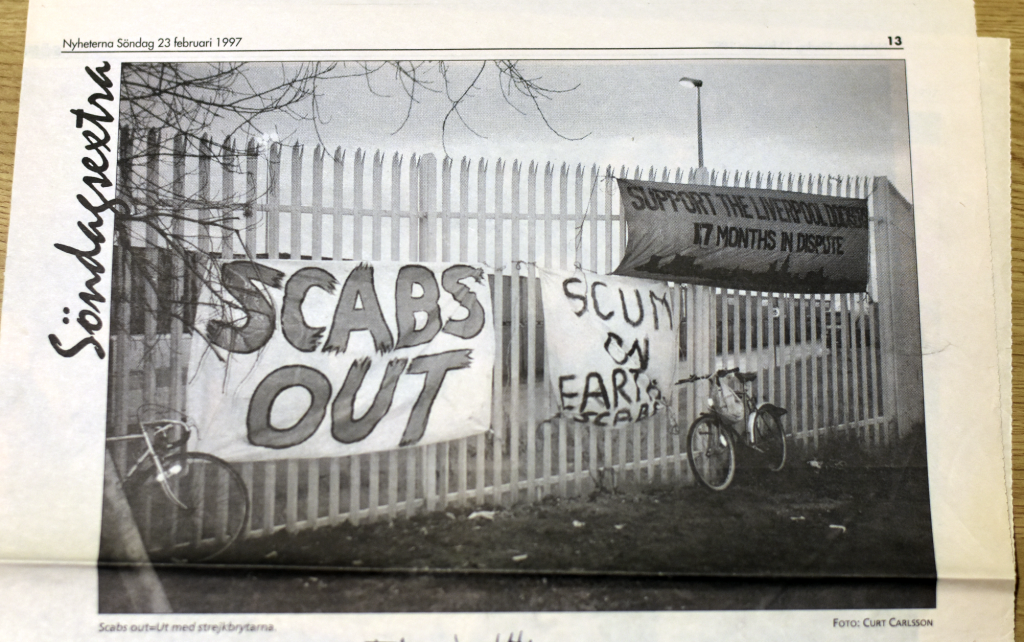
The collection hasn’t been catalogued yet so it was a bit overwhelming to go through big piles of stuff. It contained dockers hooks, banners, documents from the port with offers of settlement pay, letters from politicians, flyers and graphic materials that were made for the picket line and marches. It was great to see things in person that I had seen only online.
The Wire season two
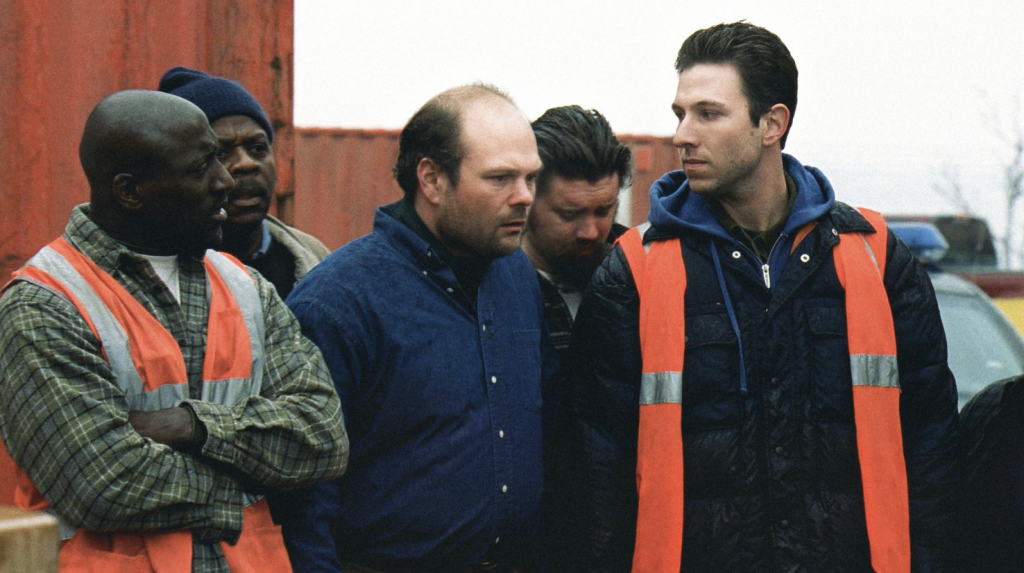
In addition to the above, it was recommended to me by Gemma Copeland (who I had my methods of dialoguing tutorial with) and Tony Nelson (the docker I interviewed) and others to watch season two of The Wire.
This season focuses on Baltimore’s dockers and explores how automation and lack of investment forces them to resort to criminal activity to hold on to their workplace/community and to survive.
I learned a lot from watching this about the culture and responsibilities of a docker in their day-to-day workplace. It also provided a bigger picture perspective on the ways in which working-class jobs are eroded with no regard for the lives and communities it effects. It really advanced my understanding and perspective on my subject matter.
The Dockers Club gate
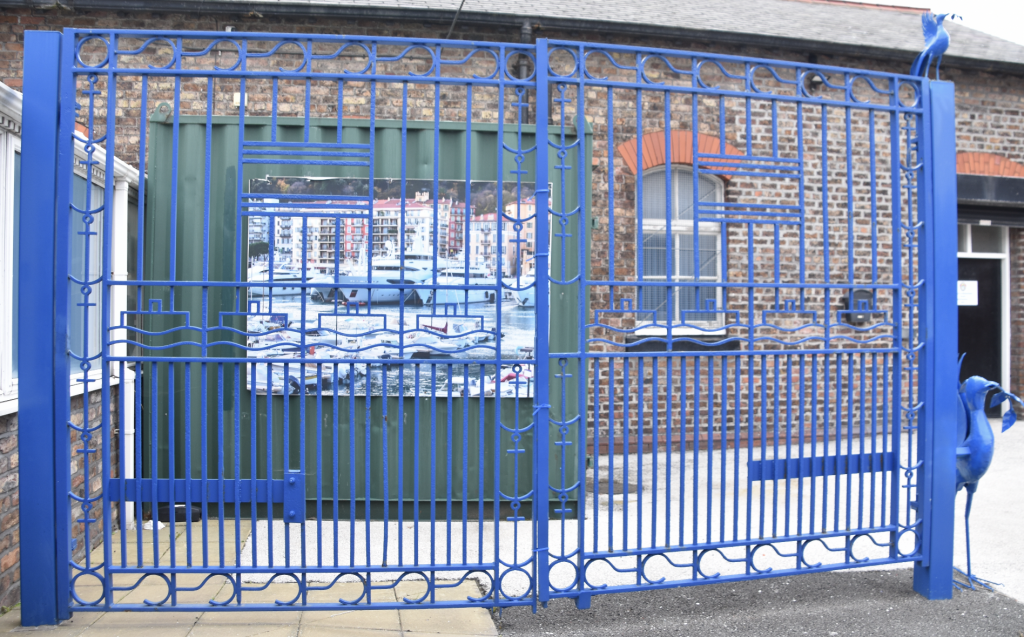
The Facebook group The Dockers Club, which I have been using as a source of information for this project, is named after a physical location, which was a working mens club for dockers and their families. This club was demolished in 2021, with the only current remains being the gate, which is now located in the grounds of a maritime training academy. I visited the grounds so I could take some photos of the gate.
The gate is iron and painted blue. It has sea motifs such as boats, anchors and dockers hooks, which I think could make interesting design ornaments or motifs.
Leave a Reply